How to Embrace Failure & Thrive

When I work with clients navigating career transitions—whether by choice or due to an unexpected layoff—we always start by defining what success looks like for the week ahead. But let’s be honest: there’s a lot of uncertainty in these moments. What will actually work? Immediate results aren’t realistic, so we focus on the process instead—taking potentially helpful steps and prioritizing self-care.

Here’s the thing: success doesn’t always look like a big win. Maybe they applied to some interesting jobs, got out of the house, and practiced mindful breathing throughout the day. That’s a victory! Or maybe they searched for jobs but didn’t find anything exciting, stayed home all week, and didn’t find mindful breathing helpful. Guess what? That’s still a victory! Why? Because effort was made, and valuable information was collected.

Here’s the truth: failure informs success. The more you “fail,” the closer you get to figuring out what works.

Tool #5 for Dealing with Uncertainty: Loosening Expectations

Things will go wrong—and that’s okay. Research shows we adapt to disappointments faster than we expect. In fact, the fear of failure is often more painful than failure itself. Taking risks and experimenting as you work toward your goals is how you learn what works best for you.

Failure isn’t final—it’s information. It guides you toward success, whether your goal is landing a fulfilling new job or simply making it through the day without feeling overwhelmed by political or economic turmoil.

Give yourself permission to adjust your plans as you gain new information and experiences. For example, one of my clients is creating her first online course—a completely new type of project for her. Along the way, she’s had to pivot multiple times, adjusting her schedule and deadlines based on what she learns through trial and error. By running small experiments, she gathers insights that help her plan her next steps more effectively.

3 Steps to Loosen Expectations & Find Success in Failure

  1. Start with Self-Compassion
    Failure can be frustrating—so acknowledge that it’s painful (don’t push those feelings away). Remind yourself that setbacks are a normal part of life; everyone experiences them. Practice speaking kindly to yourself. For example, I keep a sticky note above my computer that says:
    “I am granting myself grace today. I am in the process of learning.”
    If you struggle with self-compassion, imagine what you’d say to a friend going through the same situation—and say it to yourself.
  2. Explore What You Learned
    Every failure is an opportunity for growth. Ask yourself:
    • Is there something I could change that might produce different results?
    • Do I need to adjust my environment or timing?
    • Is there a skill gap I need to fill with additional resources or support?
  3. Do Something Fun
    Failure can be stressful, so give yourself time to recover before tackling your next challenge. Whether it’s watching a funny movie, going for a walk, or spending time with friends, doing something enjoyable will help recharge your energy.

This Week’s Challenge:

I’d love to hear from you! Leave me a comment and share:

  • A recent “failure” that taught you something valuable
  • How you’re loosening expectations in your own life

Next Week

Stay tuned for another powerful tool to help you thrive through uncertainty.

Need Support for Positive Change?

If you’re ready for personalized strategies to navigate life’s challenges, email me at dianna@collierclan.net for a free consultation.

How Beauty & Excellence Can Uplift You in Tough Times

The world can feel overwhelming at times, with rapid changes, uncertainty, and unsettling news. Rising prices, job layoffs, and other challenges often dominate our attention. Even as I write these words, I feel the weight of these realities. But there’s a tool that can help: it’s a way to cultivate hope, awe, and positivity—even when life feels difficult.

Let’s explore Tool #4: Noticing Beauty & Excellence.What is Appreciation of Beauty & Excellence?

Appreciation of beauty and excellence is the ability to recognize and take pleasure in:

  • Natural beauty: The wonders of nature.
  • Moral beauty: Acts of kindness or goodness.
  • Excellence: Skilled performances in any domain.

This strength enhances emotional well-being by fostering positive emotions like awe, gratitude, and hope. It’s a simple yet powerful way to shift your focus toward what’s good in the world.The Power of Noticing Beauty & Excellence During Hard Times

Last spring, my father passed away unexpectedly. When I traveled to Rhode Island for his funeral, I was overwhelmed with grief. Yet amidst the sorrow, I found moments of peace by noticing the beauty around me.

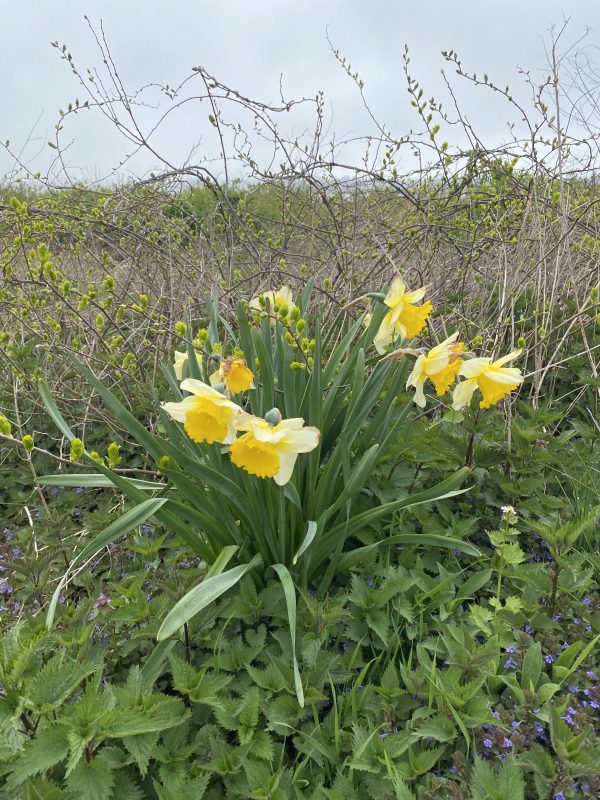
I saw daffodils and tulips blooming—their vibrant colors brought a sense of calm. Sitting on a rock by the ocean, I watched waves gently lap against the shore and felt deeply connected to nature—and to my father.

I also experienced the goodness of people as cousins I hadn’t spoken to in years reached out with heartfelt support. While these moments didn’t erase my loss, they reminded me that not everything is bad in the world. They gave me hope that healing was possible.

9 Activities to Highlight Beauty & Excellence AND Inspire, Bring Hope, and Positive Energy Back

Here are some simple ways to practice this tool:

  1. Take a Beauty Walk: Be intentional about noticing nature’s beauty as you walk.
  2. Daily Beauty Photos: Capture one beautiful thing each day for a week—share it with others for extra joy!
  3. Positive News: Seek out uplifting stories on sites like Good News Network or Upworthy.
  4. Savor Excellent Food: Choose a favorite dish and eat it slowly, savoring its flavors, textures, and aromas.
  5. Appreciate Musical Excellence: Listen deeply to a song you love—notice its lyrics, rhythm, or instrumental skill.
  6. Discover Beautiful Art: Visit an art museum or gallery; reflect on the creativity and skill behind each piece.
  7. Notice Human Goodness: Look for small acts of kindness around you—a smile from a stranger, a driver letting you over in traffic or someone holding the door. Identify strengths in your friends, family & co-workers.
  8. Enjoy Poetry or Literature: Read something that moves you; appreciate how language evokes emotions or imagery.
  9. Marvel at Athletic Skill: Watch sports highlights or games; admire the precision and dedication required for excellence.

This Week’s Challenge:

I’d love to hear from you! Leave a comment and share:

Where have you found beauty or excellence recently?

Next Week – A Beautiful Challenge (Join Me!)

I’ll be completing a 7-day challenge focused on appreciating beauty and excellence. Join me on Linkedin to participate. Stay tuned for another powerful tool to help you thrive through uncertainty.

Need Support for Positive Change?

If you’re ready for personalized strategies to navigate life’s challenges, email me at dianna@collierclan.net for a free consultation.

Break Free from the Overthinking Trap: 7 Powerful Strategies

Have you ever found yourself caught in a mental merry-go-round, thoughts spinning endlessly? 

Maybe you’re replaying past mistakes, imagining “what-ifs,” or worrying about the future. It’s tempting to believe that if we just think hard enough, we’ll solve all our problems. But here’s the truth: overthinking rarely leads to solutions. Instead, it often leaves us feeling stuck and drained.

The Overthinking Dilemma–Makes You MORE STUCK
Research shows that rumination can:

  • Hinder our problem-solving abilities
  • Deepen feelings of sadness
  • Disrupt our focus and motivation
  • Fuel negative, inaccurate thinking

Today, let’s explore Tool #3: Interrupting Overthinking.

7 Strategies to Break Free from Overthinking 

(adapted from The How of Happiness by Sonja Lyubomirsky)

  1. Engage in Positive Distractions
    Immerse yourself in activities that spark joy and positivity. Consider music, movement and connection with other  people. My go-to? A brisk walk while listening to Trevor Noah’s “What Now?” podcast. Find your own blend of movement, humor, and engagement.
  2. Practice Thought-Stopping
    Tell yourself “Stop” or visualize a stop sign or a brick wall when rumination starts. Strengthen this skill through meditation:
    • Close your eyes
    • Take 5-10 deep breaths
    • Focus on your breath, gently redirecting when your mind wanders
    • Open your eyes and notice how you feel
  3. Schedule Worry Time
    Allocate a specific 30-minute window for rumination. When intrusive thoughts arise outside this time, remind yourself: “Not now, I’ll think about this later.”
  4. Share with a Supportive Listener
    The social interaction is likely to boost your mood and make you feel less alone. Choose someone who can offer perspective, not fuel your worries. If you’re struggling to find the right person, consider reaching out to a coach or therapist. 
  5. Journal Your Thoughts
    Writing can help you release pent-up worries and spot patterns you might miss otherwise.
  6. Gain Perspective
    Ask yourself: “Will this matter in a year?” If yes, what can you learn from the situation?
  7. Take Action to Solve Your Problems
    Identify one small, manageable step you can take right now. Ask yourself: “What’s the easiest thing I can do?” or “What small change could make my life 2% better this week?”

By implementing these strategies, you’ll not only increase your happiness but also navigate life’s uncertainties with greater ease and resilience.

This Week’s Challenge:

I’d love to hear from you! Leave a comment and share:

What is your favorite way to interrupt overthinking?

Next Week:

Stay tuned for another powerful tool to help you thrive through uncertainty.

Need Support for Positive Change?

Ready for personalized strategies to navigate life’s challenges? Email dianna@collierclan.net for a free consultation.

Job Suddenly Gone? How to Deal Positively

Imagine waking up one morning to the news that your job, the one you’ve dedicated years to, has been suddenly terminated. What the BLEEP happens now?!

The shock of being laid off can hit hard, and with it comes a whirlwind of emotions—anger, betrayal, and a deep sense of loss.

You may feel disoriented, unsure of where to turn, and question your own worth. Longtime colleagues are gone, and you’re left wondering what the future holds.

In moments like these, it’s easy to feel overwhelmed. However, finding a way to navigate this uncertainty is crucial to regaining control.

What Certainty Do We Have?

Today, let’s dive into Tool #2: Identify Your Strengths & Values.

Your strengths and values can serve as a stable, guiding force during times of upheaval, like a layoff or career change. This tool will help you tap into your unique strengths and unlock more positive emotions, even during tough transitions.

What Are Character Strengths?

Character strengths are the best parts of our personalities—the qualities that help us thrive. Research has identified 24 distinct character strengths, including:

  • Creativity
  • Curiosity
  • Bravery
  • Love of Learning
  • Perseverance
  • Kindness
  • Humor
  • Leadership
  • Hope
  • Gratitude
  • Social Intelligence

…and more.

Each of us possesses all 24 strengths, but we express them in different ways and to varying degrees.

How Can You Use This to Shift Gears, Be Positive, and Get Renewed About an Even Better Job.

Take a moment to explore your core values and top character strengths by taking the VIA (Values in Action) survey. It’s free. This will give you insights into what makes you unique and how you can use your strengths to thrive in challenging times.

Here are some reflective questions to guide you:

  • Are your top strengths aligned with who you truly are? If not, what strengths feel more central to you?
  • When you consider times when you were successful, what strengths were you using?
  • When facing challenges, which strengths did you rely on to keep going?
  • What strengths will you need to draw on to create your best possible future?

A Case Example

One of my clients, who was seeking a career change, made a list of the qualities he wanted in his new job. These qualities were deeply connected to his values and strengths. By aligning his job search with this list, he could easily evaluate opportunities from a “position of power.” He also leaned into his creativity, humor, and love to stay motivated and positive during the process.

This Week’s Challenge:

I’d love to hear from you! Leave a comment and share:

  • What strength is central to who you are?
  • How will you use it this week?

Next Week:

I’ll return with another tool to help you thrive through uncertainty.


Need Support for Positive Change?

If you are looking for personalized strategies to navigate a layoff or career transition, let’s talk. Email dianna@collierclan.net for a free consultation.

Embrace Change: Strategies to Thrive in Uncertain Times

I’m going to be bold and say, “You want uncertainty in your life.”

Hear me out … 

Let me first start by asking, How do you respond when life throws curveballs

Uncertainty often brings up anxiety, stress, or even a sense of dread when the future feels unknown. Recent job market fluctuations and industry shifts have left many people questioning what comes next. Career changes, life transitions, and unexpected challenges can leave us feeling uneasy—but uncertainty doesn’t have to be all bad.

In fact, uncertainty holds the potential for growth, creativity, and new opportunities. While we can’t eliminate uncertainty, we can learn how to embrace it and reduce the discomfort it often causes.

So, uncertainty is your senses telling you change is happening, and it’s time to respond. 

Over the next 8 weeks, I’ll be sharing my favorite tools and exercises to help you not just survive—but thrive—during uncertain times. Sign up for my newsletter so you don’t miss any of them.

Some tools will focus on managing anxiety and stress, while others will help you open up to new possibilities and activate more positive emotions.

And today, the first one … 

Today, Tool #1 – Reframe Uncertainty

Uncertainty isn’t just something to fear—it’s a natural part of growth. 

As Nathan Furr and Susannah Harmon Furr say in The Upside of Uncertainty, “humans need surprise, spontaneity, and change—things that are inherently uncertain.” Without change, we’d be bored and stagnant. When we reframe uncertainty as an opportunity, we move from fear to hope.

Here’s a quick tool to help you shift your mindset when uncertainty feels overwhelming:

Use “Name, Challenge, Reframe?” Approach

  1. Name: “This is a pessimistic response.”
  2. Challenge: “Do I really know this to be true?”
  3. Reframe: “What good could come of this situation, and how can I make that happen?”

Yes, we are taking a negative and moving into a positive.

This Week’s Challenge

I’d love to hear from you! Leave a comment and share:
Can you think of a time when something positive came out of a challenge or uncertain situation?

Next Week

Next week, I’ll be back with another tool for thriving through uncertainty. Can’t wait? Check out my blog on How to Become More Comfortable with Uncertainty for a sneak peek at what’s coming!

Need Support?

If you’re craving personalized strategies to cope with uncertainty, let’s chat! Email dianna@collierclan.net for a free consultation.

The Emotional Pillar of SPIRE: Bounce Back Stronger

Ever wonder how some people bounce back smoothly from setbacks? 

Earlier this week, a friend’s flight home was canceled, extending her work trip. Disappointment hit—she’d miss a long-awaited dinner and didn’t have enough clothes or vitamins. But instead of spiraling, she pivoted:

1️⃣ Gave herself permission to feel the frustration.
2️⃣ Shifted to gratitude.
3️⃣ Turned curiosity outward by asking a colleague about her life and truly listening.

This is the Emotional Pillar of SPIRE in action. 

It’s about feeling all emotions (painful & pleasant) and then reaching towards resilience and positivity—the things that keep us steady when the world wobbles. 
 

(EMOTIONAL PILLAR – STAY PRESENT)
4 Tips for Remaining Present with Difficult Emotions

  1. Don’t resist the wave
    — Painful emotions intensify when rejected or avoided.
    — Fighting them adds a layer of emotional suffering on top of the original pain.
  2. Let them flow to let them go
    — Express emotions to help them pass: cry, vent to a trusted person, or journal.
    — Suppression prolongs pain; expression weakens its grip.
  3. Name it to tame it
    — Labeling emotions (e.g., “I feel anxious”) reduces their intensity and creates distance.
  4. Acceptance fuels action
    — Acknowledge feelings without judgment first.
    — Then choose how to respond (e.g., problem-solving, self-care, seeking support).

(EMOTIONAL PILLAR – STAY POSITIVE)
From Surviving to Thriving: Building Resilience & Positivity

Positive emotions ( joy, gratitude, serenity, interest, hope, pride, amusement, inspiration, awe & love) aren’t just pleasant—they rewire your brain! Research by Barbara Fredrickson shows they:

➜ Broaden your perspective (seeing more possibilities & opening to new experiences).

➜ Build enhanced problem-solving skills, greater resilience, and creativity.
 

(EMOTIONAL PILLAR – TAKE ACTION)
10 Quick Activities to Spark Positive Emotions

  1. Gratitude – Grab your phone. Scroll your recent photos. Find one that makes you smile. Take a moment to appreciate why—it’s a small glimpse of joy already in your life.
  2. Hope – Write 3 things that you are looking forward to during the day. They can be small, like enjoying a tasty lunch or listening to your favorite song.
  3. Interest – Watch a 90-second TED-Ed video on a random topic (e.g., “How do birds learn to sing?”).
  4. Inspiration – Read a quote from someone you admire and think, “How can I apply this today?”
  5. Joy – Dance wildly to your favorite upbeat song. Maybe even sing along!
  6. Awe – Step outside and lie on your back to gaze at the sky—watch clouds morph into shapes, observe birds soaring in patterns, or marvel at the vastness of the horizon.
  7. Amusement — Watch a funny animal video & laugh out loud.
  8. Serenity – Place your hand on your heart and breathe deeply 3 times (triggers calm).
  9. Pride — Journal about something that you did well recently. What strengths did you use?
  10. Love – Send a voice note to a friend: “You crossed my mind—just wanted you to know you’re awesome.”

This Week’s Challenge

Leave a comment and share: What’s one step you’ll take this week to boost your positivity?

Coming Soon

I will be sharing my favorite tools & exercises for thriving when everything feels uncertain in my newsletter, The Positive Pull. Sign up here: https://diannacollier.com/newsletter/

Need Support?

If you’re craving personalized strategies to build your resilience, let’s chat! Email dianna@collierclan.net for a free consultation.

The Antidote to Loneliness – The Relational Pillar of SPIRE

Our relationships are the heartbeat of a fulfilling life—but they’re easy to neglect in the chaos of daily routines & work. 

Let’s pause and check in:

  • Do you carve out quality time for loved ones?
  • Do you feel truly connected to your community?
  • Is there someone you trust to reach out to when life gets tough?

If any of these made you pause, you’re not alone. Nurturing relationships takes intention, but the payoff is life-changing. 

Let’s explore how to reignite meaningful bonds with others and ourselves through the Relational Pillar of SPIRE. 

Why Relationships Matter

Here’s a truth worth remembering: The QUALITY of our relationships is the #1 predictor of happiness and health (backed by the Harvard Study of Adult Development, the world’s longest study of happiness). 

Yet loneliness is rising—25-30% of people feel lonely weekly. 

Former Surgeon General Vivek Murthy called this a “public health epidemic,” and the antidote is clear: Meaningful connections that foster belonging.

7 Ways to Strengthen Relationships

  1. Express Gratitude Daily
    • Write a heartfelt letter to someone, then read it aloud (proven to boost mood for both of you!).
    • Send quick texts or voice notes like, “I appreciate you because…”
    • Offer timely thanks when someone helps you—whether a quick email to a coworker for their support or a face-to-face “thank you” to the neighbor who grabs your mail. Consistent recognition strengthens relationships and encourages more acts of kindness!
  2. Perform Small Acts of Kindness
    • Smile, hold doors, or volunteer. Even tiny gestures create ripple effects.
  3. Be Fully Present
    • Stash devices during quality time. Give undivided attention—it’s a rare gift.
  4. Schedule Connection
    • Block time for calls, video chats, or in-person meetups. Treat relationships like priorities.
  5. Reach Out Boldly
    • Text an old friend or invite a new acquaintance for coffee. Yes, rejection stings—but research shows we recover faster than we fear!
  6. Join Shared Activities
    • Sign up for clubs, classes, or events aligned with your passions. Hello, future friends!
  7. Nurture Yourself First
    • Turn your love inwards & take care of your needs (remember the other pillars of SPIRE!) to avoid feeling resentful in your giving. Strong self-connection reduces burnout and deepens bonds with others. 

Three Ways to Cultivate a Healthy Relationship with Yourself

Try these:

  • Daily Self-Appreciation
    Note 1 thing you’re proud of and recognize the strengths (take the VIA survey if you need help identifying your strengths.)
  • Boundaries = Love
    Say “no” to protect your energy.
  • Self-Compassion
    Talk to yourself like a friend.
    (Struggling to stop beating yourself up? Read my blog for actionable tips)

This Week’s Relational Challenge

Leave a comment and share: What’s one step you’ll take this week to nurture a relationship—with yourself or others?

Next Week is All About Emotions

The Emotional Pillar of SPIRE– feeling all emotions (yes, even the messy ones) & reaching towards resilience and positivity.

Need Support?

If you’re craving deeper connections, let’s chat! Email dianna@collierclan.net for a free consultation.

The Intellectual Pillar of SPIRE: Unlock Joyful Growth

Whether you’re tackling a big goal, navigating a tough challenge, or embarking on an uncharted journey, today’s exploration of INTELLECT could offer the positive push you need to persevere. 

Have you ever followed a spark of curiosity and stumbled upon something extraordinary? Maybe it led you to a hidden gem of a restaurant, an unexpected friendship, or a moment that shifted your perspective.

Last year, while wandering Brussels’ cobblestone streets, my family and I were drawn by the rhythm of distant drums. We followed the sound—and discovered a surrealist parade: fantastical floats, performers in kaleidoscopic costumes, and a crowd buzzing with joy. 

That unplanned detour became one of the highlights of our trip. This pic shows some of the fun from that moment … 

Last week, we explored the Physical Pillar– caring for your body & harnessing the mind-body connection. Today, let’s dive into the Intellectual Pillar: engaging in deep learning, and opening to experience. 

Learning isn’t just for book lovers or classroom enthusiasts—it’s about staying open to the lessons hidden in everyday moments, whether you’re trying a new hobby, solving a problem, or simply asking, “I wonder why…”

Curiosity brings happiness

Like nourishing food for the body, curiosity feeds our engagement with life, turning everyday moments into opportunities to discover and grow. While we often think of curiosity as exploring the world around us, its greatest power might lie in how we turn it inward.

When we reflect on ourselves, it’s easy to fixate on flaws or setbacks—a habit wired into us for survival. But what if, instead of focusing on what’s broken, we channel that curiosity toward what’s already working? What lights us up? What makes us resilient? 

This shift—from criticism to wonder—can transform self-awareness into a tool for joy, not judgment.

Ready to try? Grab a journal and explore the questions below. Tip: Think like a scientist observing your own life—no judgment, just discovery.

Your Positive Curiosity Experiment:

  1. What do you love to learn? 
  2. When do you feel most connected in your relationships? 
  3. What are some strengths you value in yourself? How can you use these strengths in new ways?
  4. What do you appreciate about your body? 
  5. How have you supported yourself during challenging times? Can you apply these insights to current struggles?

This Week’s Challenge

Post a comment and share: When did curiosity lead you somewhere wonderful? I’ll feature my favorite story in next week’s newsletter!

Next Week: The Relational Pillar of SPIRE– nurturing a constructive relationship with yourself & others.

Want Personalized Support?

If you’re ready to turn curiosity into actionable growth, let’s chat! Email me at dianna@collierclan.net to schedule a free consultation. 

The PHYSICAL Pillar of SPIRE–3 Stress Rescue Exercises to Restore Energy

How does your body feel right now? Close your eyes for a moment. Notice your breath. The tension in your shoulders. The rhythm of your heartbeat. Now ask yourself: How does your mind feel?

We often treat the body and mind as separate entities, but they’re deeply intertwined. What affects one, shapes the other. Let me share a story about how I learned this firsthand.

When Visualization Beats Practice —

In 7th grade, I got a last-minute chance to compete in a track meet when a teammate fell ill. My running times weren’t impressive, but a friend fibbed to the coach that I’d been training extra hours (I hadn’t). With zero time to practice, I spent the bus ride to the meet visualizing the mile race: the surge of adrenaline, the burn in my legs, the final sprint. Over and over, I pictured myself crossing the finish line.

Result? I shaved over a minute off my best time and won a ribbon. That day taught me: The mind doesn’t just influence the body—it can transform it.

Last Week vs. This Week: SPIRE’s Pillars

Last week in my newsletter, we explored the Spiritual Pillar—cultivating purpose and presence. Today, we dive into the Physical Pillar: caring for your body to harness the mind-body connection.

How’s your physical well-being? Ask yourself these questions (adapted from Tal Ben-Shahar’s Happier, No Matter What):

  • How do you take care of your body?
  • How physically active are you?
  • Do you prioritize rest and recovery?
  • What’s your relationship with stress?

Stress Isn’t the Enemy—Unmanaged Stress Is

Many of you’ve shared feeling overwhelmed by constant triggers: global uncertainty, personal chaos, and the relentless pace of life. Here’s the truth: Stress itself isn’t harmful. Our bodies evolved to handle short-term threats via “fight, flight, or freeze.” The problem? Modern life keeps us stuck in this heightened state.

The antidote? Recovery.

3 Types of Recovery (You Probably Aren’t Using Enough)

To shift out of survival mode, we need layers of restoration. Think of it as a pyramid:1. Micro-Level Recovery: Daily “Reset Buttons”

  • Take a 5-minute breathing break every 90 minutes
  • Dance to one song (bonus points for crazy moves)
  • Pet an animal—mindfully notice their fur texture
  • Read fiction during coffee breaks (my personal favorite)

2. Mid-Level Recovery: Weekly Resets

  • Protect 7-9 hours of sleep nightly
  • Take one full day off work/school weekly (no “quick emails”!)

3. Macro-Level Recovery: Deep Disconnects

  • Plan a vacation (or staycation!) for 1-2 weeks/year
  • Go tech-free: No emails, no news, just you

This Week’s Challenge

Leave me a comment and finish this sentence:
“One way I’ll restore this week is…”
(Example: “…by taking a 10-minute walk after lunch, phone-free.”)

Next Week: The Intellectual Pillar of SPIRE—how curiosity and deep learning fuel resilience.

Want Tailored Support?
If stress feels relentless, let’s co-create strategies that fit your life. Email me at dianna@collierclan.net for a free consultation.

Cultivate Meaning & Mindfulness: A Guide to SPIRE’s Spiritual Pillar

Where do you find meaning or purpose? In your work? At home? In relationships or creativity? For many, this question only arises during life’s unexpected turns—a career shift, loss, or health challenge. But nurturing meaning before adversity strikes can anchor your spiritual well-being and resilience. Let’s explore how.

In my newsletter last week, we explored SPIRE—the 5-pillar framework for holistic well-being. Today, we’re diving into the Spiritual Pillar—how to cultivate purpose, meaning, and presence in everyday life.

The Spiritual PillarSpirituality ≠ Religion

Spiritual well-being isn’t confined to religious practice. It’s about two core ideas:

  1. Living meaningfully (even in small moments).
  2. Savoring the present (amid life’s chaos).

Let’s break these down.Part 1: Crafting a Meaningful Life

Researchers say a meaningful life hinges on three keys:

  1. Mattering – Feeling your contributions positively impact others.
  2. Coherence – Life “makes sense” to you.
  3. Purpose – Pursuing goals aligned with your values.

Here are three ways to cultivate meaning.

Step 1: Discover Your Strengths

  • Take the free VIA Character Strengths Survey to identify your top traits (e.g., kindness, curiosity, courage).
  • Journal Prompts: When was I at my “best”? What strengths was I using? How can I use my top strengths in new ways?

Step 2: Reframe Tasks from “Job” to “Calling”

Every task can feel like a chore or a chance to live your values:

  • Job Mode: “I have to walk my dog.” (Obligation)
  • Calling Mode: “I get to care for a loyal companion and practice love.” (My #1 strength!)
  • Another Example: A teacher grading papers might reframe it as “nurturing future leaders.”

Step 3: Set Purpose-Driven Goals

Align aspirations with your values.

Client Story: One client dreamed of writing a book. While income & pride of being a published author mattered, her deeper “why” was sharing her story as an Asian American immigrant—a goal rooted in her values of representation and community.

Part 2: Mindfulness—Savoring the Present

The second aspect of spiritual well-being is savoring the present moment or mindfulness. Researchers have found that mindfulness can reduce stress, sharpen focus, and deepen resilience. But how do you practice it in our busy world?

5 Simple Ways to Increase Awareness:

  1. Focus on Breath: Close your eyes; notice each inhale and exhale. Practice for 5 minutes.
  2. Single-Task: Do ONE thing at a time & fully direct your attention to it (no multitasking!)
  3. Savor Food: Eat mindfully—notice textures, smells, and flavors (dark chocolate, anyone?).
  4. Practice Active Listening:
  • Pay attention to the speaker’s story & perspective. Reach for understanding & empathy.
  • Use body language that shows you are listening such as nodding, smiling and providing eye contact
  • Reflect back what you hear the speaker saying and ask clarifying questions.
  1. Guided Meditation: Check out Tara Brach’s free guided meditations: https://www.tarabrach.com/guided-meditations/ or try meditation apps like Insight Timer or Headspace.

This Week’s Challenge:

Leave me a comment and share:

What’s one small way you’ll practice mindfulness or nurture meaning this week?

COMING SOON: The Physical Pillar of SPIRE—Simple strategies to care for your body and tap into the power of the mind-body connection.

Want Personalized Support?If you’re craving tailored strategies to navigate life’s challenges, email me at dianna@collierclan.net to schedule a free consultation.